Tarpaulins are widely used across Dubai for construction sites, warehouses, transportation, agriculture, and outdoor protection. However, the region’s extreme climate, including intense UV exposure, dust storms, humidity, and occasional rainfall, can reduce the lifespan of tarps if they are not properly maintained.
In this guide, we explain how to maintain tarpaulins in Dubai, including cleaning methods, storage techniques, weather protection strategies, and inspection tips to help extend the lifespan of heavy-duty tarps.
Why Tarpaulin Maintenance is Important in Dubai?
Dubai’s harsh environmental conditions can cause tarpaulins to degrade faster than in milder climates. Continuous exposure to sunlight, sand, and wind can cause fading, tearing, or brittleness if the tarp is not properly cared for.
Regular maintenance helps:
- Extend the lifespan of tarpaulins
- Maintain waterproof performance
- Prevent mould and mildew
- Reduce repair and replacement costs
- Ensure consistent protection for equipment and materials
1. Clean Tarpaulins Regularly
Dust and sand accumulate quickly in Dubai, especially on outdoor tarps used on construction sites or warehouses. Over time, this buildup can weaken fabric fibres and reduce waterproofing performance.
To clean tarpaulins properly:
- Use mild soap and water
- Avoid harsh chemicals or abrasive brushes
- Rinse thoroughly with clean water
- Allow the tarp to air dry completely
Routine cleaning prevents dirt from embedding into the material and helps maintain durability.
2. Protect Tarps from Excessive UV Exposure
UV radiation is one of the biggest causes of tarp deterioration in Dubai. Prolonged exposure can weaken fibres, fade colours, and reduce flexibility.
To minimise UV damage:
- Use UV-stabilised tarpaulins
- Avoid leaving unused tarps in direct sunlight
- Rotate or reposition tarps when possible
- Store tarps indoors when not needed
Heavy-duty PVC tarpaulins are typically designed with UV stabilisers, making them more suitable for outdoor applications. If you’re comparing materials, our PE vs PVC Tarpaulin guide explains the durability differences.
3. Avoid Water Pooling on Tarps
Although many tarpaulins are waterproof, standing water can place stress on the material and seams.
To prevent damage:
- Install tarps at an angle for drainage
- Use proper tensioning to avoid sagging
- Inspect areas where water may collect
For outdoor setups like temporary roofing or equipment covers, proper installation significantly improves tarp longevity.
4. Store Tarpaulins Properly
Incorrect storage can shorten the lifespan of even the most durable tarpaulin.
Follow these storage tips:
- Clean the tarp before storing
- Ensure it is completely dry
- Fold neatly to avoid creasing damage
- Store in a cool, dry, shaded area
Proper storage prevents mould growth and maintains the material’s flexibility for future use.
5. Inspect Tarpaulins for Damage
Regular inspections help identify small issues before they become major problems.
Check for:
- Tears or punctures
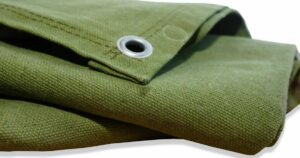
- Loose eyelets
- Seam damage
- Fraying edges
Early repairs can significantly extend the life of a tarp. Reinforcing weak areas or patching small holes prevents further tearing during strong winds.
6. Use Proper Anchoring & Installation
Incorrect installation can cause tarps to flap in the wind, leading to premature wear.
For better performance:
- Use strong ropes or bungee cords
- Ensure even tension across the tarp
- Avoid over-tightening
- Reinforce high-stress areas
For industrial environments such as warehouses and construction sites, proper installation is critical. Our article on the top 5 uses of tarpaulins for warehouses & construction in Dubai explains how tarps are used in these demanding settings.
7. Choose the Right Tarpaulin Material
Proper maintenance begins with selecting the right tarp material for the job.
Common options include:
- PVC Tarpaulin: Best for heavy-duty, waterproof, and long-term outdoor applications.
- PE Tarpaulin: Lightweight and budget-friendly for short-term use.
- Canvas Tarpaulin: Breathable and suitable for equipment covers or ventilation-sensitive storage.
If you’re considering breathable tarps for equipment protection, you can also explore our guide on the best canvas tarpaulins in Dubai.
Final Thoughts
Maintaining tarpaulins in Dubai requires regular cleaning, proper installation, careful storage, and periodic inspections. By protecting tarps from excessive UV exposure, preventing water pooling, and repairing small damages early, businesses and homeowners can significantly extend the lifespan of their tarpaulins.
With proper care, high-quality tarps can provide reliable protection for years, even under the challenging weather conditions of the UAE.
Frequently Asked Questions
How often should tarpaulins be cleaned in Dubai?
Tarpaulins used outdoors should ideally be cleaned every few weeks to remove dust and sand buildup.
Can UV damage tarpaulins in Dubai?
Yes. Continuous UV exposure can weaken tarp materials, making UV-stabilised tarpaulins the best option for outdoor use.
What is the best way to store tarpaulins?
Clean and dry the tarp completely before folding and storing it in a cool, shaded, and dry location.
How long do tarpaulins last in Dubai?
High-quality PVC tarpaulins can last several years depending on usage, exposure, and maintenance.
Can damaged tarpaulins be repaired?
Yes. Small tears or holes can often be repaired using patch kits or reinforced seams to extend the tarp’s lifespan.