Shade nets installed in Dubai and the wider UAE experience far tougher conditions than most regions in the world. Extreme ultraviolet radiation, 45-50°C summer heat, airborne sand, humidity spikes, and seasonal winds all play a major role in how long a shade net really lasts outdoors.
This guide explains how climate affects shade net durability, what causes early damage, and how to extend lifespan even under the UAE’s harsh environment.
If you’re installing shade nets for parking, villas, greenhouses, outdoor areas, farms, or commercial spaces, understanding these environmental stress factors will help you choose the right product and maintain it properly for long-term performance.
What is the Average Lifespan of Shade Nets in Dubai?
Shade net lifespan varies based on fabric type, UV stability, GSM, usage conditions, and installation quality.
Estimated Lifespan in UAE Conditions
- HDPE Monofilament Shade Nets: 5-7 years
- Flat/Tape Yarn Shade Nets: 3-4 years
- Heavy-Duty Commercial Shade Nets (200+ GSM): up to 8-10 years
- Non-UV Stabilised Nets: 1-2 years only
For long-term outdoor use, Dunet Monofilament Shade Cloth is the best choice.
How Does Dubai’s Climate Reduce Shade Net Lifespan?
Dubai’s environment is one of the most aggressive climates for outdoor fabrics. Here’s how each factor contributes to wear and tear:
1. UV Radiation: The No.1 Cause of Degradation
Dubai receives UV index levels between 10-13, among the world’s highest.
Effects of UV on Shade Nets
- Polymer chains weaken
- Fabric becomes brittle
- Colour fades
- Shade % reduces
- Holes form faster
UV degradation accelerates sharply in lower-quality nets without UV-stabilised additives.
For UV-stabilised options: Dunet Commercial Grade Shade Net (95%)
2. Heat Stress (40°C-60°C Peak Temperatures)
Shade nets exposed to long hours of direct sunlight experience thermal expansion and contraction.
Effects include:
- Yarn weakness
- Loss of tension
- Fabric distortion
- Accelerated fading
Higher GSM nets handle heat cycles better.
See GSM guidelines: GSM vs Shade Percentage Guide
3. Sand, Dust & Abrasion
Airborne sand in the UAE acts like sandpaper.
Impact on shade nets:
- Surface abrasion
- Yarn thinning
- Blocked airflow
- Increased heat retention
Regular rinsing reduces abrasion damage.
4. Humidity & Salinity (Especially Coastal Areas)
Humidity softens fibres over time, while salinity (in coastal Dubai, Sharjah, UAQ) accelerates material weakening.
Common signs:
- Colour bleaching
- Salt deposits
- Fiber corrosion
- Micro-tears
5. Strong Winds & Seasonal Storms
Wind pressure pulls the net constantly, causing:
- Stretching
- Corner tearing
- Eyelet damage
- Sagging
For privacy fencing or wind-facing areas: Shade Net Privacy Fencing
How Material Type Impacts Lifespan?
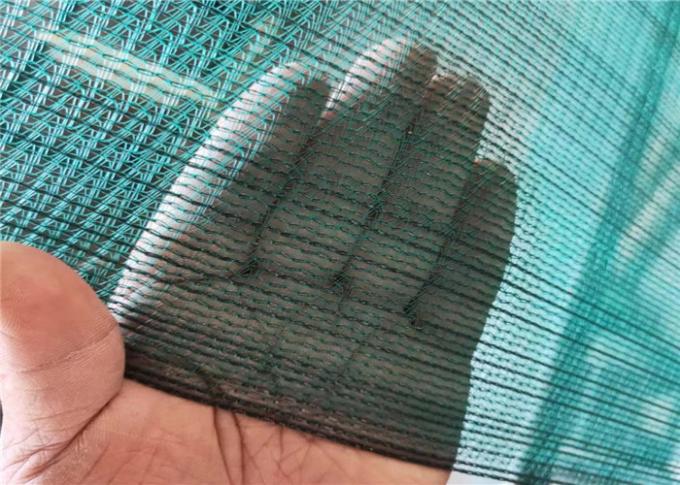
1. Monofilament HDPE Nets (Best for Dubai)
- Round-thread structure
- Highest tensile strength
- Long UV resistance
- Longest lifespan (5-7+ years)
2. Tape Yarn / Flat Filament Nets
- Economical
- Good for agriculture
- Weaker under UV & wind
- Lifespan of 3-4 years
For agriculture and greenhouse netting, see this: https://exclusivetarps.com/shade-nets-greenhouse-garden-dubai/
Installation Quality Directly Affects Lifespan
Even the best shade net can fail early if not installed correctly.
What poor installation causes:
- Sagging → water pooling
- Weak tension → tearing
- Loose fixings → wind damage
- Incorrect angles → fabric strain
For correct installation reference: Shade Net Installation Checklist
How to Extend Shade Net Lifespan (Proven Methods)
1. Clean Every 2-3 Months
- Rinse with low-pressure water
- Avoid pressure cleaners
- Use a mild detergent
- Let it fully dry
Cleaning removes abrasive sand & dust that weakens fibres.
2. Re-Tension Every 3-6 Months
Check:
- Eyelets
- Corner fixings
- Cables
- Rope tension
Sagging increases wind load and tearing risk.
3. Protect from Extreme Weather
- Remove temporary nets during heavy winds
- Inspect after sandstorms
- Reinforce anchors
4. Seasonal Storage (For Removable Nets)
- Clean and dry before storing
- Roll instead of folding
- Store away from metal, oils, or chemicals
When Should You Replace a Shade Net?
Replace your shade net when you notice:
- Severe fading (UV stabiliser failure)
- Loss of shade effectiveness
- Multiple small holes
- Brittle or cracking fabric
- Persistent sagging
- Frayed edges or broken stitching
If these signs appear, upgrading to a UV-stabilised HDPE shade net is the best choice.
Expert Support for Long-Lasting Shade Nets in Dubai
At Exclusive Tarps, we specialise in high-quality, UV-stabilised Dunet shade nets engineered for the UAE climate.
We also offer installation, repairs, and replacement support across Dubai, Sharjah, Abu Dhabi, and the UAE.
✔ Long-life HDPE monofilament fabrics
✔ Professional tensioning & installation
✔ Custom sizes & shade percentages
✔ Maintenance & repair solutions
Contact us today for shade net installation or replacement guidance.
Frequently Asked Questions
What reduces shade net lifespan the fastest in Dubai?
High UV radiation and extreme heat are the main causes of shade net degradation, followed by wind pressure and sand abrasion.
Does colour affect how long a shade net lasts?
Yes. Dark colours absorb more heat, while beige and green stay cooler and last longer under constant sunlight.
Can shade nets survive sandstorms?
High-quality monofilament nets can withstand moderate storms, but temporary or low-density nets should be removed during severe weather.
How do I know if my shade net’s UV protection is failing?
Signs include fading colour, brittleness, reduced shade performance, and small cracks in the yarn.
Do higher GSM shade nets last longer?
Generally yes. Higher GSM nets resist heat, wind, and abrasion better than low-density fabrics.
Should I reinstall or tighten my shade net regularly?
Yes, adjusting the tension every 3-6 months prevents sagging and tearing, significantly extending the lifespan.
Is monofilament better for long-term installations?
Absolutely. Monofilament HDPE nets provide the longest lifespan and strongest UV resistance in the UAE climate.
Can I use shade nets near the sea?
Yes, but choose UV-stabilised monofilament and rinse regularly to remove salt deposits.