If you’re looking for durable, heat-resistant, and long-lasting outdoor shading material, HDPE knitted shade nets are the top choice across Dubai and the wider UAE. They are used in villas, commercial sites, farms, nurseries, construction areas, parking lots, and industrial facilities because they offer excellent UV reduction, high airflow, and impressive durability in harsh temperatures.
This guide explains what HDPE knitted shade nets are, how they are manufactured, the types of knitting patterns, GSM and shade percentage variations, and why they perform exceptionally well in UAE weather conditions.
For a complete overview of shade nets, you can also check our main page, Shade Net Solutions in Dubai.
What is HDPE Knitted Shade Netting?
HDPE shade nets are made from High-Density Polyethylene, a thermoplastic polymer known for:
- High tensile strength
- UV resistance
- Chemical and heat stability
- Low moisture absorption
- Lightweight performance
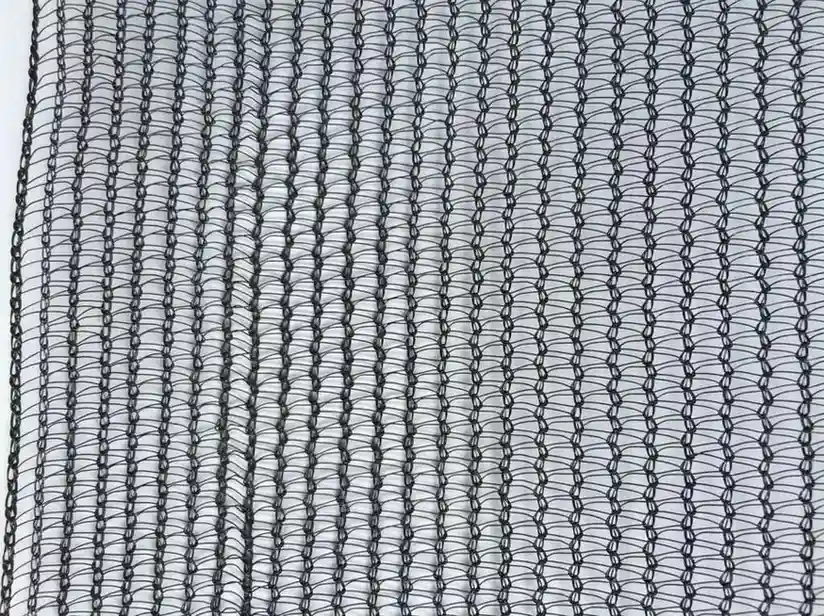
HDPE fibres are extruded, UV-stabilised, and knitted using industrial Raschel knitting machines, producing a fabric that is breathable, flexible, and tear-resistant, making it ideal for shade-based applications.
Unlike woven materials or PVC tarpaulins, HDPE shade nets allow air to pass through, significantly reducing heat build-up under the shaded area, a critical factor in Dubai’s extreme summer.
To compare HDPE with alternative materials, see: HDPE Monofilament vs Tape Yarn Shade Nets.
Understanding the HDPE Manufacturing Process
One of the main reasons HDPE shade nets perform so well in the UAE is the quality of their production. Here’s a simplified breakdown of how premium-grade HDPE nets are manufactured:
Step 1: HDPE Granules Selection
Virgin HDPE granules (not recycled plastics) are chosen for maximum strength and longevity.
Step 2: UV Stabilisation Additives
Before extrusion, UV stabilisers are mixed into the polymer. These chemicals prevent sun damage and extend lifespan.
Step 3: Yarn Extrusion
The mixture is heated, melted, and extruded through a die to form either:
- Monofilament yarns
- Flat/tape yarns
Exclusive Tarps uses DUNET® premium-grade yarns, known for higher tensile strength.
Step 4: Knitting on Raschel Machines
The yarns are inter-looped into a knitted fabric, not woven, which prevents tearing and improves flexibility.
Step 5: Heat Setting & Cooling
The fabric is heat-set to lock the loops and stabilise the structure.
Step 6: Cutting, Hemming & Reinforcing Edges
Edges are reinforced depending on the application:
- Villa shading
- Parking shading
- Construction scaffolding
- Agriculture cooling
- Privacy fencing
Types of HDPE Knitted Shade Nets
HDPE knitted nets generally fall into the following categories:
1. Monofilament Knitted Shade Nets
- Highest durability
- Best UV resistance
- Strongest tensile properties
- Suitable for agriculture, parking, and long-term projects
Explore: Dunet Monofilament Knitted Shade Cloth
2. Tape Yarn / Flat Filament Shade Nets
- More economical
- Lightweight
- Suitable for temporary use or privacy fencing
Explore:
3. Fire-Retardant HDPE Shade Nets
Used where safety regulations require flame-resistant materials.
Explore: Fire-Retardant Shade Netting FR200
4. Commercial Grade 95% Shade Nets
Heavy-duty, high-density nets are used for industrial shading and car parking.
For stronger reinforced edging options, see: Commercial Grade 95% Knitted Shade Cloth.
GSM vs Shade Percentage: How They Differ
This is one of the most misunderstood aspects in the UAE shade net market.
GSM (Grams Per Square Meter)
Represents material weight and density.
Higher GSM = thicker, stronger, more durable.
Shade Percentage
Represents how much sunlight the net blocks (light filtration).
- 30-50%: Nurseries, low-shade crops.
- 70-80%: Residential villas, walkways.
- 90-95%: Car parking, industrial shading, privacy fencing.
A single GSM can have multiple shade % variations depending on knitting density.
For a full buying guide, see: Shade Percentage Guide for the UAE.
Why HDPE Knitted Shade Nets Perform Best in UAE Conditions?
The UAE climate features an extremely high UV index, heavy dust, strong winds, and long, hot summers. HDPE knitted nets perform better than woven or PVC materials because they offer:
- UV Stabilisation: Built-in stabilisers protect the polymer from breaking down.
- Heat Reflectivity & Cooling: Knitted loops allow heat to dissipate instead of trapping it.
- High Flexibility: Doesn’t crack or tear when exposed to temperature fluctuations.
- Sand & Dust Resistance: Smooth yarn surfaces reduce abrasion damage.
- Better Wind Handling: An air gap structure allows wind to pass through without lifting.
Common Applications of HDPE Shade Nets in the UAE
HDPE knitted shade nets are used widely in:
- Agriculture (crops, nurseries, greenhouses)
- Car parking shading
- Villa backyards and gardens
- Commercial and industrial facilities
- Warehouses and outdoor storage
- Poultry and livestock farms
- Sports courts and playgrounds
- Construction scaffolding and privacy fencing
For privacy fencing applications, explore: Shade Net Privacy Fencing.
Expected Lifespan of HDPE Shade Nets in the UAE
With proper installation and basic care, high-quality knitted HDPE nets last:
- Monofilament: 5-7 years
- Flat Filament: 3-5 years
- FR Shade Nets: 3-5 years, depending on additives
Lifespan reduces if exposed to:
- Constant tension
- Sharp edges
- Poor anchoring
- Continuous friction from steel surfaces
Maintenance Tips to Extend Lifespan
- Avoid tying the net too tightly.
- Use rounded clamps or rope instead of sharp metal hooks.
- Clean accumulated sand/dust twice a year.
- Store indoors when not in use.
- Inspect edges for tension damage.
A complete guide is available here: Shade Net Care & Maintenance.
Frequently Asked Questions
Are HDPE shade nets suitable for Dubai’s high UV index?
Yes. High-quality HDPE nets contain UV stabilisers that prevent material degradation, making them ideal for UAE climates.
What GSM is best for villas or parking shading?
For residential shading, 180-230 GSM works well. For parking areas, 230-280 GSM provides better durability and longer life.
Do knitted shade nets allow airflow?
Yes. Knitted structures allow controlled airflow, reducing heat accumulation under the shade.
What is better: monofilament or tape yarn?
Monofilament is stronger and lasts longer. Tape yarn is more economical and suitable for temporary usage.
How long do HDPE shade nets last in the UAE?
With proper care, 5-7 years for monofilament and 3-5 years for tape yarn.