Proper storage is one of the most overlooked parts of tent maintenance, yet it plays a major role in determining how long a tent will last. Many tents become damaged not because of heavy use, but because they are stored incorrectly after use.
In Dubai and across the UAE, tents are constantly exposed to dust, heat, humidity, and UV radiation. If a tent is folded while damp, stored in excessive heat, or packed carelessly, the fabric and frame can deteriorate much faster over time.
In this guide, we will discuss the most important tent storage tips, common mistakes that shorten tent lifespan, and how proper storage helps preserve tent durability, waterproofing, and structural strength.
At Exclusive Tarps, we provide durable tent solutions designed for UAE conditions, and proper storage is one of the key factors we recommend for maximising long-term performance.
If you want to understand the complete factors that affect tent durability, you can also read: How Long Do Tents Last?
Why is Tent Storage So Important?
Tent materials and frame systems are designed for outdoor durability, but improper storage can still cause serious damage.
Poor storage conditions can lead to:
- Mould and mildew growth
- Fabric weakening
- Rust and frame corrosion
- Permanent creases and stress points
- Reduced waterproof performance
Many buyers invest in high-quality tents but unintentionally shorten their lifespan through poor storage practices.
This is why storage should always be considered part of overall tent maintenance.
You can also explore: Tent Maintenance Guide
Always Clean the Tent Before Storage
Never store a dirty tent.
Dust, sand, bird droppings, and moisture left on the fabric can gradually damage the material during storage.
Before packing the tent:
- Remove loose dirt and sand
- Clean stains gently
- Inspect the fabric for damage
- Ensure the tent is completely dry
This is especially important for canvas tents because moisture can lead to mould growth much faster.
If you are using canvas materials, you can also read our detailed cleaning guide: How to Clean Canvas Tents Properly?
Never Store a Wet or Damp Tent
One of the biggest mistakes people make is storing tents before they dry fully.
Even slight moisture trapped inside folded fabric can cause:
- Mould and mildew
- Bad odors
- Fabric deterioration
- Damage to waterproof coatings
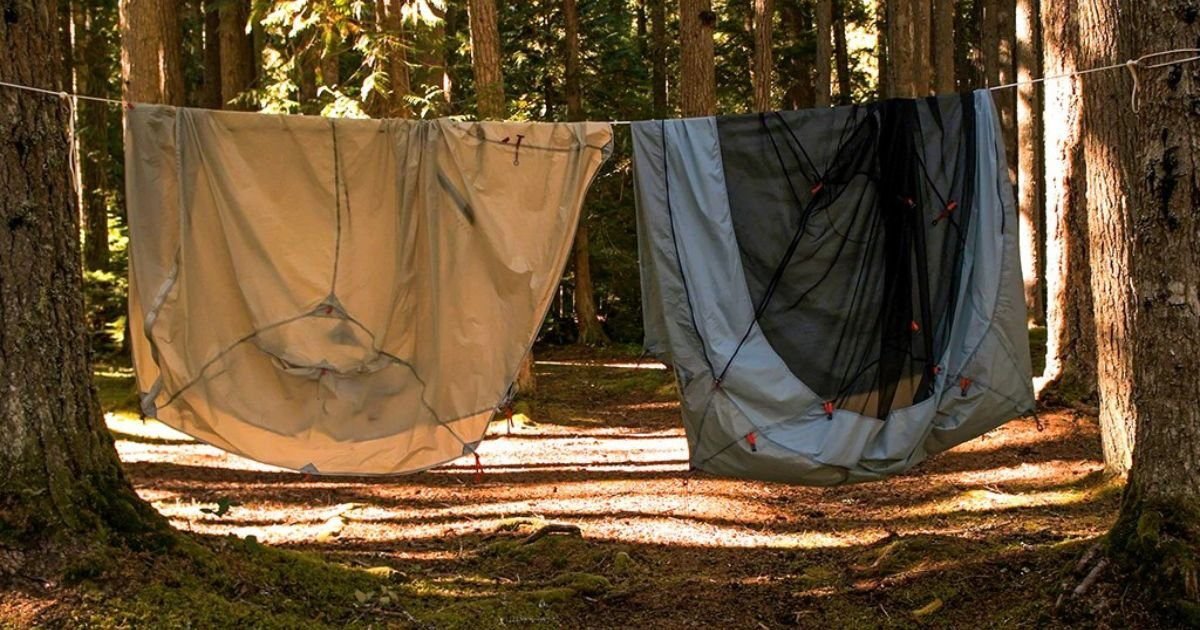
Always allow the tent to dry completely in a ventilated area before storage.
This is particularly important in humid environments or after rain exposure.
Choose the Right Storage Location
Where you store the tent matters just as much as how you store it.
The ideal storage space should be:
- Dry
- Cool
- Well-ventilated
- Protected from direct sunlight
Avoid storing tents in:
- Extremely hot containers
- Damp rooms
- Areas exposed to pests or moisture
In Dubai’s climate, excessive heat inside storage areas can weaken certain tent materials over time.
Protect the Tent Fabric During Storage
Tent fabric should never be compressed excessively or stored carelessly.
Best practices include:
- Folding the tent properly
- Avoiding sharp folds or stress points
- Using protective covers or storage bags
Poor folding methods can create permanent creases that weaken the material over time.
At Exclusive Tarps, we always recommend careful handling during both installation and storage to preserve fabric integrity.
Store Tent Frames Properly
Tent frames also require proper storage to prevent long-term damage.
1. Aluminium Frames
Aluminium frames are corrosion-resistant but should still be stored in dry conditions to maintain appearance and structural quality.
2. Steel Frames
Steel frames require extra care because moisture exposure can lead to rust if protective coatings are damaged.
If you want to understand the durability differences between the two frame systems, read: Aluminium Frame Tents vs Steel Tents
Avoid UV Exposure During Storage
Many people assume UV damage only happens during outdoor use, but tents stored in direct sunlight can also deteriorate over time.
Continuous UV exposure may cause:
- Fabric fading
- Weakening of coatings
- Reduced flexibility
UV-resistant materials perform better, but proper storage protection is still important.
You can learn more in our guide: UV-Resistant Tents
Check the Tent Periodically During Long-Term Storage
If the tent is stored for extended periods, periodic inspection is recommended.
Check for:
- Moisture buildup
- Mold development
- Insect or pest damage
- Frame corrosion
- Fabric deterioration
Early inspection helps prevent small issues from becoming major problems.
Waterproofing Can Be Affected by Improper Storage
Improper storage conditions can weaken waterproof coatings and seam performance over time.
This may eventually lead to:
- Water leakage
- Reduced weather resistance
- Fabric damage
High-quality waterproof materials last longer when stored correctly.
If you want to understand waterproof tent systems in detail, you can also read: What Makes a Tent Waterproof?
Commercial and Industrial Tents Need Structured Storage Plans
Large commercial and industrial tents often involve:
- Multiple fabric sections
- Heavy frames
- Long-term operational use
These tents benefit from organised storage systems that include:
- Labeling components
- Protective covers
- Scheduled inspections
- Controlled storage environments
You can also explore how commercial tents are used across industries in Dubai: Top Uses of Commercial Tents in Dubai
Proper Storage Helps Wind-Resistant and Heavy-Duty Tents Last Longer
Heavy-duty tents designed for harsh weather can still suffer premature wear if storage is ignored.
Wind-resistant tents especially rely on:
- Fabric tension quality
- Structural integrity
- Reliable frame systems
Proper storage helps preserve these features for long-term use.
You can also read: Wind-Resistant Tents
Why Choose Exclusive Tarps for Durable Tent Solutions?
At Exclusive Tarps, we provide tent systems designed specifically for UAE weather conditions and long-term outdoor performance.
We offer:
- Commercial and industrial tents
- Custom event tent solutions
- Durable PVC and canvas materials
- Strong aluminium and steel frame systems
We also guide clients on proper maintenance and storage practices to help maximise tent lifespan and value.
Final Thoughts
Proper tent storage is essential for preserving durability, waterproofing, and structural performance. Cleaning the tent before storage, ensuring complete drying, protecting the fabric, and choosing the right storage environment all help prevent long-term damage.
With correct storage practices and regular maintenance, high-quality tents can remain reliable and functional for many years.
Frequently Asked Questions
Why is proper tent storage important?
Proper storage helps prevent mould, fabric damage, corrosion, and reduced waterproof performance.
Can I store a tent while slightly damp?
No, even small amounts of moisture can lead to mould and fabric deterioration.
Where should tents be stored?
Tents should be stored in dry, cool, and ventilated environments away from direct sunlight.
Does improper storage reduce tent lifespan?
Yes, poor storage conditions can significantly shorten tent durability and performance.
Do commercial tents require special storage methods?
Yes, large commercial and industrial tents benefit from organised storage and periodic inspections.